

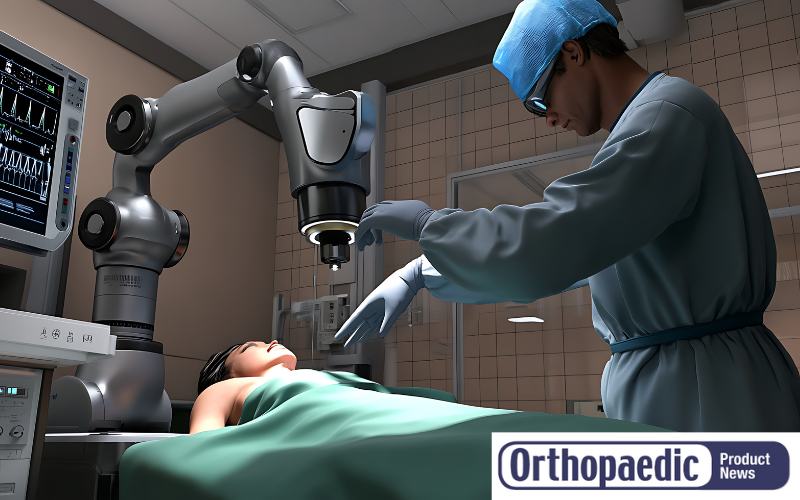
The Royal College of Surgeons of England (RCS England) has issued new guidance urging NHS Trusts to strengthen training and tighten governance for surgeons performing robotic procedures, amid growing use of the technology in operating theatres.
The recommendations come as robotic-assisted surgery (RAS) becomes increasingly common across NHS operating theatres, offering benefits such as enhanced precision, reduced blood loss, faster recovery times, shorter hospital stays and improved patient experience. RAS has been used in the UK for over a decade, particularly for urology procedures. RCS England has emphasised that, as more surgical specialities adopt the technology, there needs to be robust oversight and comprehensive training to ensure its continued safe roll-out.
Currently, there are no standardised NHS protocols or minimum training requirements in place and adoption varies widely between Trusts. The updated guidance, Robotic-assisted surgery: A pathway to the future sets out a strengthened national framework to ensure safe, consistent, and evidence-based roll-out across the NHS.
Earlier this year, the government and NHS England announced that millions of patients will benefit from cutting-edge NHS robotic surgery over the next decade, as part of radical plans to cut waiting times.
Miss Nuha Yassin, Consultant Colorectal Surgeon and RCS England Council Lead for the Future of Surgery, Robotics and Digital Surgery, said:
“The government is championing robotic-assisted surgery for its significant patients’ benefits and potential to help cut waiting lists. While this is exciting, the pace of innovation must be matched by rigorous standards.
“That is why RCS England has published updated guidance which sets out what NHS trusts need to do to strengthen the training and governance of surgeons undertaking robotic procedures. This includes simulator train