

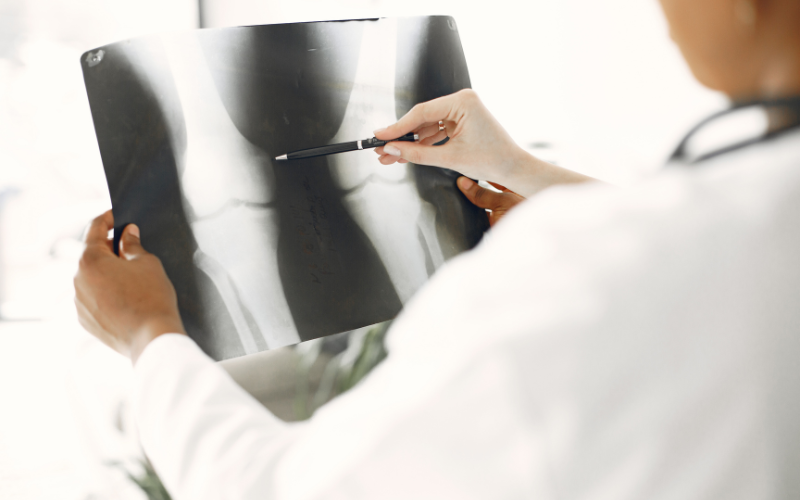
The global bone void fillers market was valued at USD 3.6 billion in 2024 and is projected to grow from USD 3.8 billion in 2025 to USD 7.0 billion by 2034, registering a CAGR of 6.9% during the forecast period, according to the latest report published by Global Market Insights Inc.
Bone void fillers are specialised biomaterials used to fill gaps or defects in bone caused by trauma, surgical procedures, infections, or tumour resections. These materials provide temporary structural support while acting as a scaffold to facilitate natural bone regeneration. The market encompasses a wide range of synthetic and biologic graft substitutes, with increasing adoption across orthopaedic, spine, and trauma applications. Leading medical device companies such as Stryker, Zimmer Biomet, and DePuy Synthes play a pivotal role in driving market growth through continuous product innovation, surgeon education, regulatory compliance, and expansion of global distribution networks.
Key growth drivers
Advancements in orthopaedic and trauma surgical techniques are significantly accelerating the adoption of bone void fillers. Improved procedural accuracy and minimally invasive approaches have increased reliance on synthetic and bioactive substitutes that offer predictable healing outcomes and reduced recovery times.
The rising volume of orthopaedic procedures worldwide, including joint replacements, spinal surgeries, and trauma interventions, continues to drive consistent demand for bone void fillers. As surgical volumes increase, these materials are increasingly used to enhance structural stability and promote effective bone healing.
Pitfalls & challenges
High treatment costs associated with bone disorders, surgical interventions, and advanced graft materials remain a key barrier, particularly in low- and middle-income regions. Limited affordability can restrict access and slow market penetration in resource-constrained healthcare systems.
A stringent regulatory environment also poses challenges for market participants. Regulatory approvals for new biomaterials and drug-eluting bone void fillers require extensive clinical validation, increasing development timelines and delaying commercialization.
Regional insights
North America dominated the global bone void fillers market, accounting for 48.9% of total revenue in 2024. The region’s leadership is supported by a well-established healthcare infrastructure, high volumes of orthopaedic and trauma surgeries, and the strong presence of major market players offering advanced bone graft substitutes.
Early adoption of innovative biomaterials, widespread use of injectable and bioactive fillers, and sustained investments in research and clinical studies further strengthen regional growth. Additionally, a growing elderly population, rising prevalence of osteoporosis, increasing sports-related injuries, and favourable reimbursement frameworks continue to support strong demand across the region.
Outlook
The bone void fillers market is expected to witness robust growth through 2034, driven by increasing surgical volumes, technological advancements in biomaterials, and expanding applications in orthopaedics and trauma care. As manufacturers focus on enhancing biocompatibility, cost-effectiveness, and clinical performance, the market will continue evolving toward more efficient, minimally invasive, and patient-centric bone regeneration solutions.
Source: https://www.gminsights.com/industry-analysis/bone-void-fillers-market
Image: Canva
